City of
Split
Largest city of the region of Dalmatia, second-largest city of Croatia
City of
Split
Largest city of the region of Dalmatia, second-largest city of Croatia
City of
Split
Largest city of the region of Dalmatia, second-largest city of Croatia
City of Split
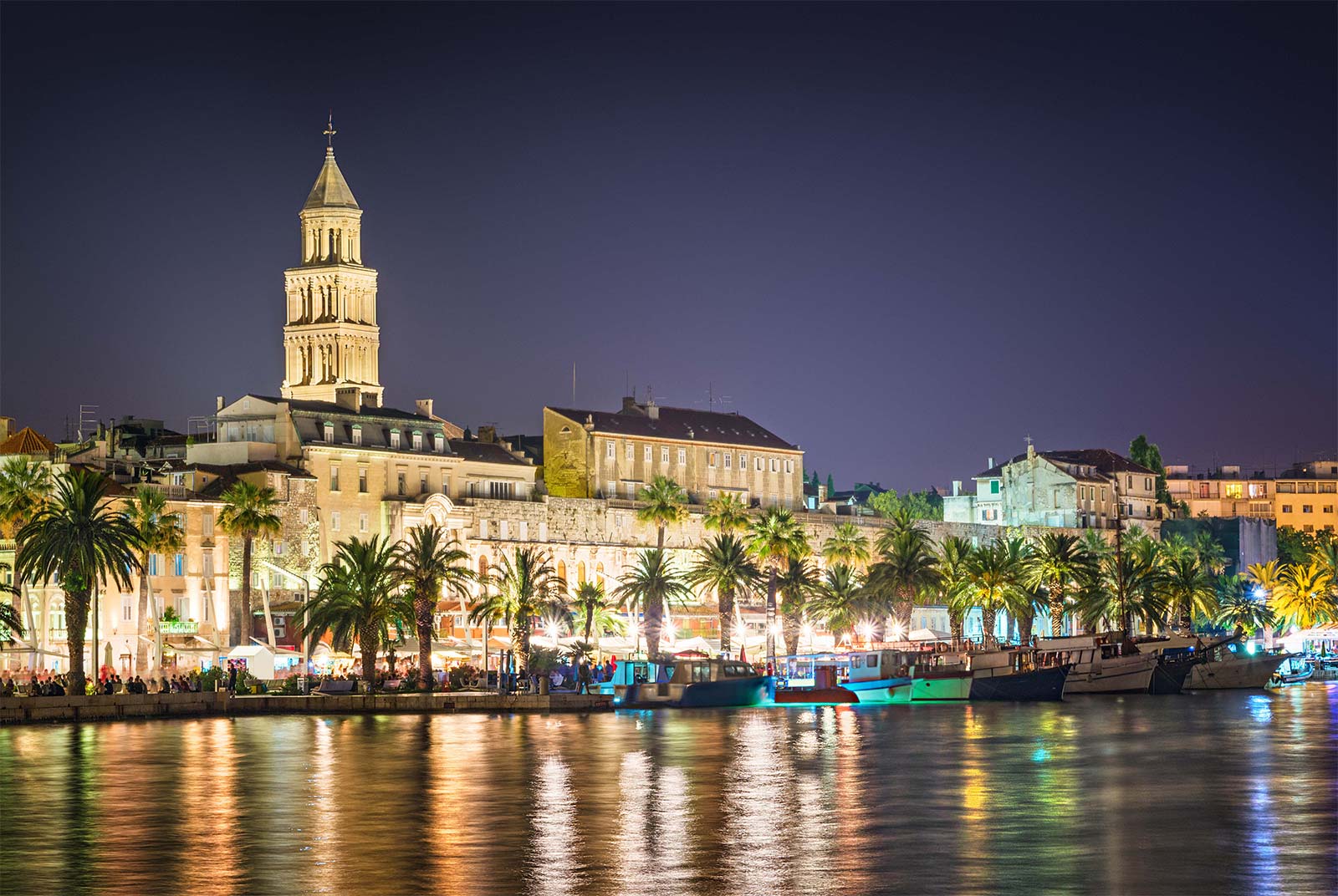
Split (Croatian pronunciation: [splît]; Italian: Spalato) is the second-largest city of Croatia and the largest city of the region of Dalmatia. It lies on the eastern shore of the Adriatic Sea, centered on the Roman Palace of the Emperor Diocletian. Spread over a central peninsula and its surroundings, Split's greater area includes the neighboring seaside towns as well. An intraregional transport hub and popular tourist destination, the city is a link to numerous Adriatic islands and the Apennine peninsula.
Split is one of the oldest cities in the area. While traditionally considered just over 1,700 years old, counting from the construction of Diocletian's Palace in 305 CE, the city was in fact founded as the Greek colony of Aspálathos (Aσπάλαθος) in the 4th century BC, about 2,400 years ago.
The city draws its name from the spiny broom (calicotome spinosa; brnistra or žuka in modern Croatian), a common shrub in the area, after which the Greek colony of Aspálathos (Aσπάλαθος) or Spálathos (Σπάλαθος) was named. As the city became a Roman possession, the Latin name became "Spalatum" or "Aspalatum", which in the Middle Ages evolved into "Aspalathum", "Spalathum", "Spalatrum", and "Spalatro" in the Dalmatian language of the city's Romance population. The Croatian term became "Split" or "Spljet", while the Italian-language version, "Spalato", became universal in international usage by the Early Modern Period.
Important sites
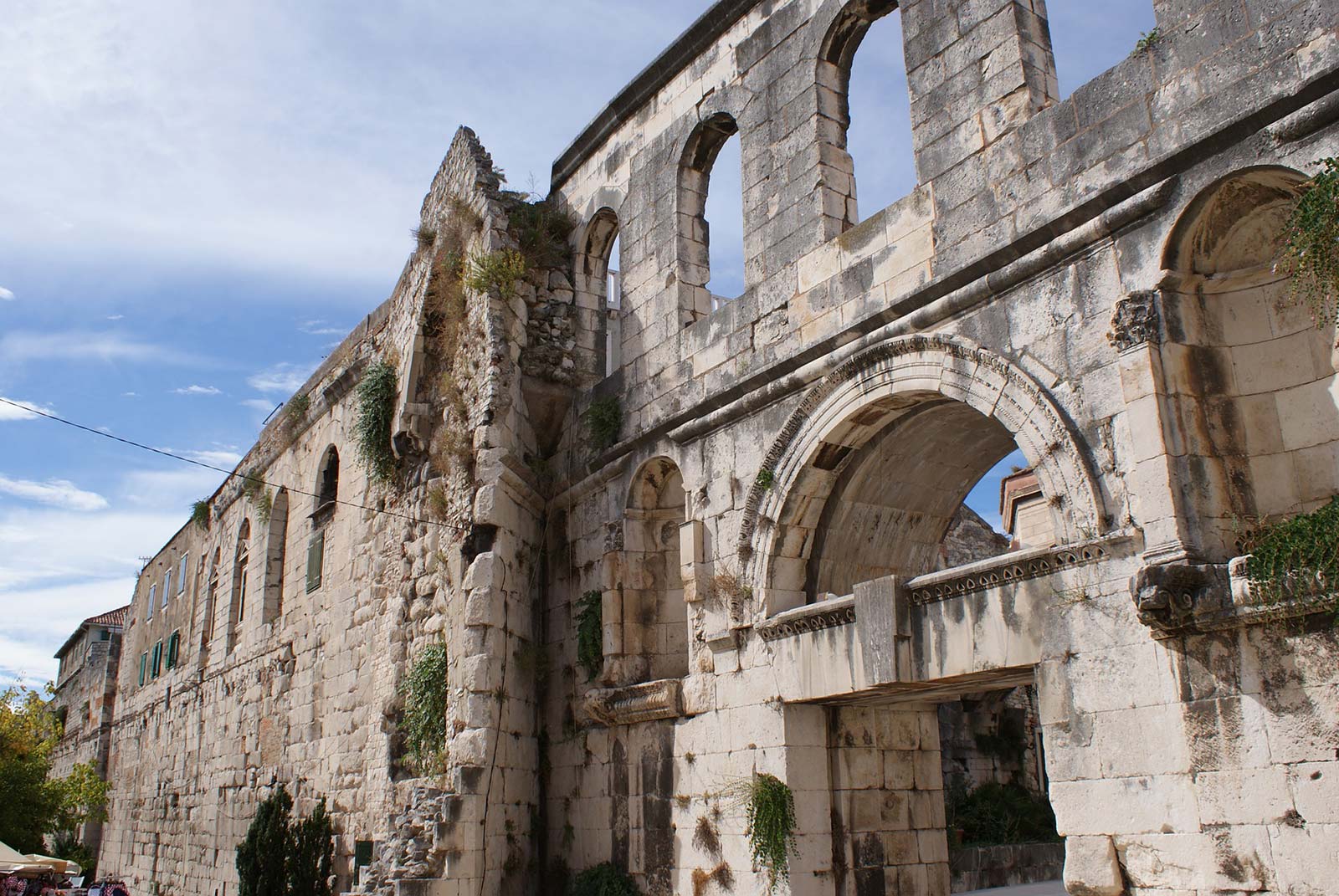
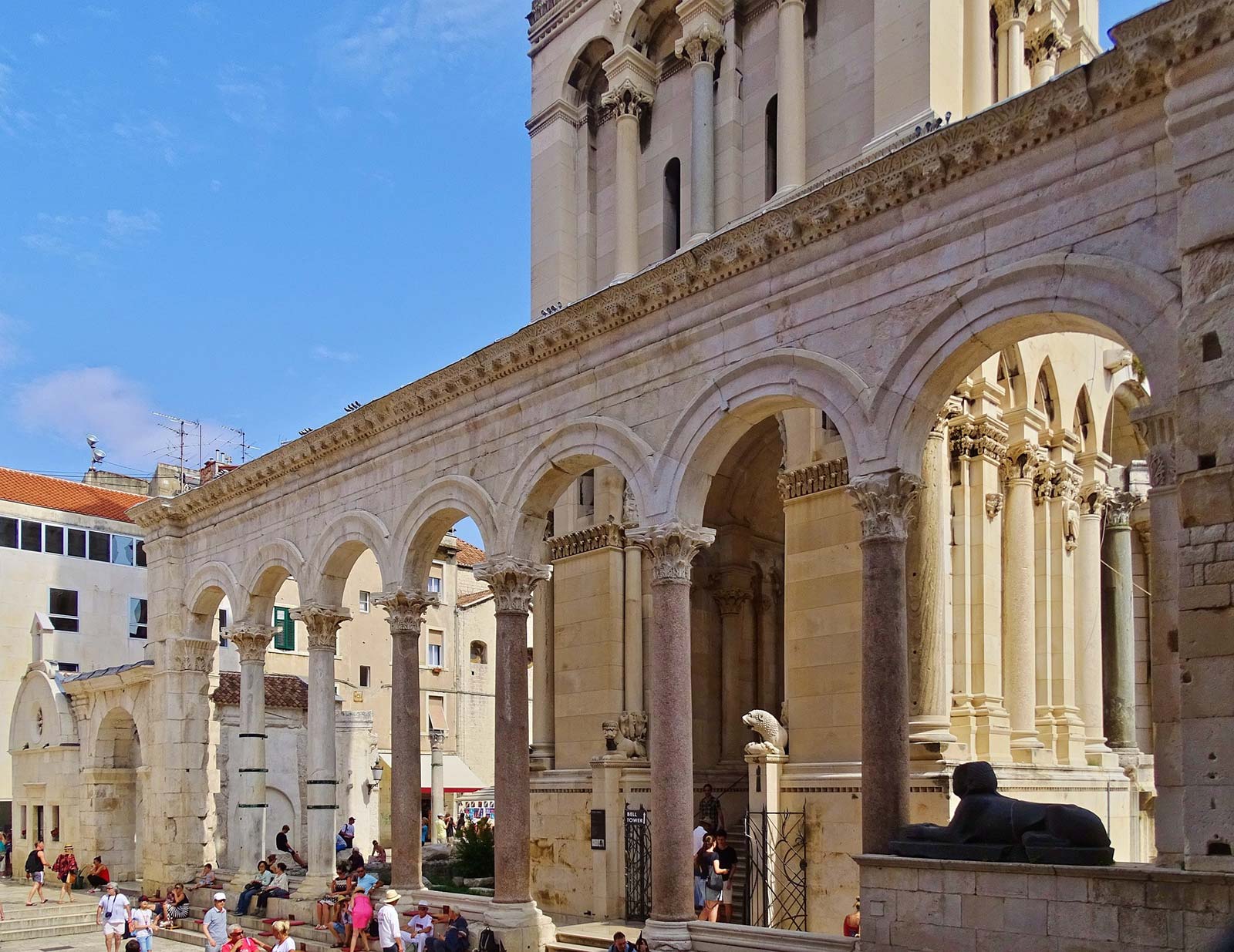
- Diocletian's Palace, an ancient palace built by the Roman emperor Diocletian at the turn of the fourth century AD, that today forms the center of the city of Split.
- Marjan (pronounced "MARyan"), a hill on the peninsula of the city of Split
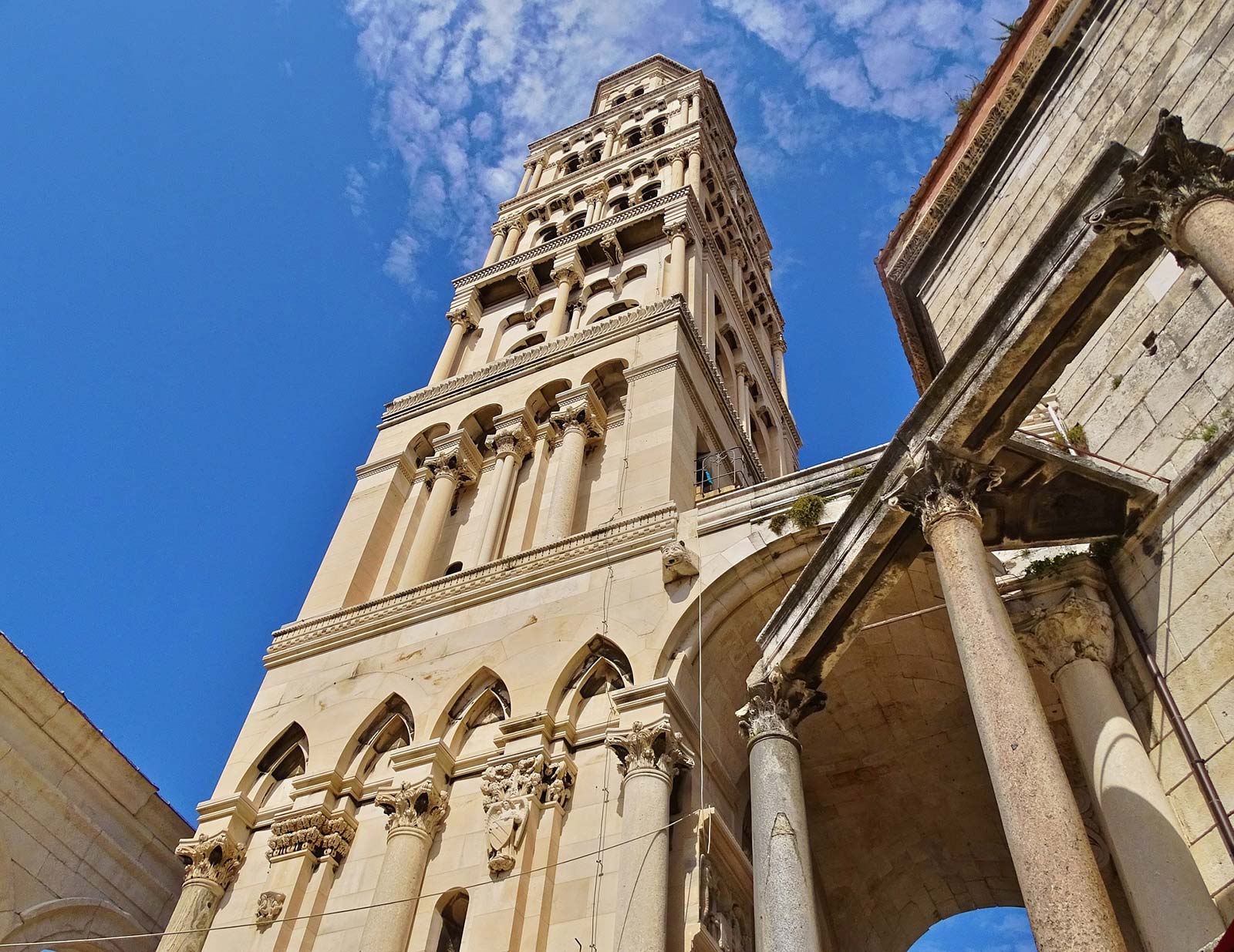
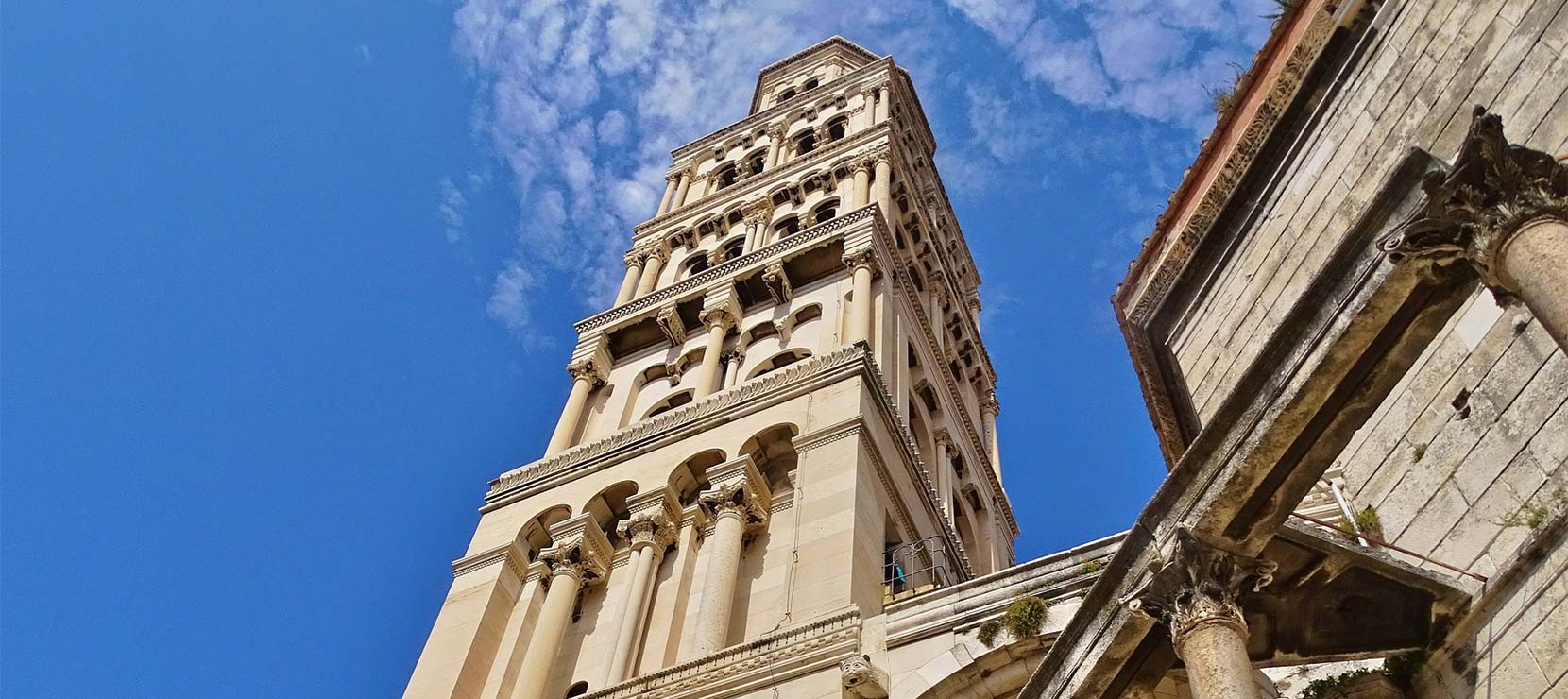
- The Cathedral of Saint Domnius, consecrated at the turn of the 7th century AD, regarded as the oldest Catholic cathedral in the world that remains in use in its original structure
- Ivan Meštrović Gallery (Croatian: Galerija Meštrović), an art museum
- The Museum of Croatian Archaeological Monuments
- The Croatian National Theatre in Split, opened in 1893
- Stadion Poljud, a multi-use stadium in the Croatian city of Split